Effective Product Thinking
Cold-Cuppa Checklists
Book review of Atul Gawande’s ‘The Checklist Manifesto’
There are lots of types of books, aren’t there? In our household there are dog-eared reference books that we reach for several times a day; there are large format picture books that are treated with reverence and care; there are really rubbish books that belong in, and often end up in, the rubbish (trash), and for me, there are “cold-cuppa” books.
I read a lot, but I don’t read quickly. So reading is a significant and important investment for me, which is why, when a book irritates me, it often ends up being literally thrown out. (I’m not alone in this, Joanne Harris, author of Chocolat once admitted to me that she’d thrown a book she disliked across her hotel bedroom.) But sometimes, just sometimes, I come across a “cold-cuppa” book.
New Revenues from Existing Technology
effectivus helps client develop win-win partnerships
A leading manufacturer of products in a niche market had a wealth of specialist intellectual property in both hardware and software developed over more than 20 years.
What they wanted to do was to find new sources of revenue from this IP, but they were caught in the very common trap of already being committed 100% to servicing their existing markets, with maintenance and new releases of their products in those markets. So if they did not have the time to create new products, how were we going to find new sources of revenue?
Effectivus stepped in to help them with the problem.
Segmenting Storm
How user interviews led to a new segmentation of a market.
Product Managers are often exhorted to “listen to their customers”, but it is sometimes not at all clear how and when to do this. This short case study describes how we took an outline product concept through to working prototype, keeping customers in the loop every step of the way.
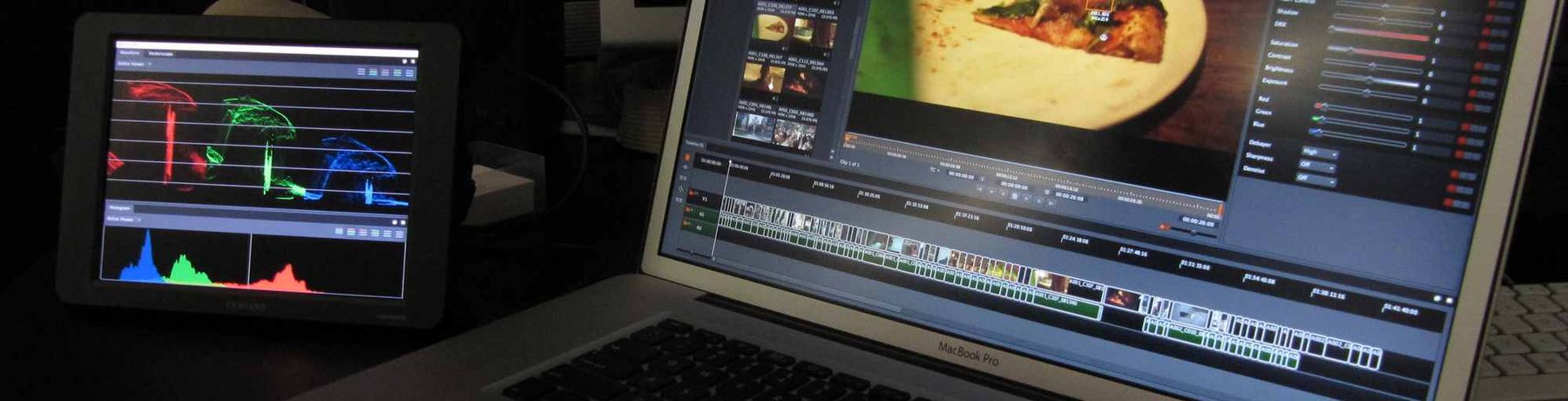
STORM is a new product from The Foundry that assists the digital movie camera workflow in professional film and television production.
The Product team behind STORM is Richard Shackleton, James Wilson and me, Chris Steele. Between us we have contributed to a wide range of products such as Matador, Illusion, boujou, SOCRATTO, Film Master and Nuke. They’ve worked together several times and share a strong conviction that good products are born out of listening carefully to potential users.
Authoritarian leadership and innovation
What has Korean Air flight 801 got to do with creativity and innovation in your company?
At 1:42am on 6th August 1997, Korean Air flight 801 crashed into Nimitz Hill, 5km short of Guam airport, skidded for 600 metres, destroying an oil pipeline before falling into a ravine and bursting into flames killing 228 of the 254 people on board[i]. Your company could be heading in exactly the same way, for exactly the same reason.
In his book Outliers, Malcolm Gladwell talks to some of the experts who have studied this crash and its causes. There were a series of faults and errors leading up to the crash, making it more likely that it could happen, but none of them actually causing it. What it ultimately came down to was the inability of the cockpit crew to challenge the pilot (who was exhausted and clearly not thinking straight), and of the co-pilot to explain their situation to air traffic control. The crew’s inability to act was not due to poor ability, but the etiquette of the Korean culture. How can it be that someone could hold onto such etiquette in the face of imminent death?
Mari case study
Getting into the detail of how a product really meets a customer’s needs.
I love writing case studies. There is something so completely satisfying about expressing how a good product meets real user needs. Some time ago, I was interviewing a customer and digging away at what the benefit of using a product had been for them. He replied, “We thought we were going to have to work all weekend on that job, but then the product worked so well we got the whole thing done and were even able to go to the pub on Friday night”. For an industry packed full of young people, that was a real, concrete, measurable benefit.

When The Foundry was preparing to launch a new product, Mari, I stepped in to help with the marketing strategy and as part of that, had the chance to write a case study. It was slightly unusual in that this software product was written by Weta Digital who had created it to complete highly complex, computer graphics intensive films like Avatar. Great that the product arrives production proven with a film like Avatar behind it. Even better they were prepared to talk about that in a case study and allow us to use some stills.